Loading Itkhori…
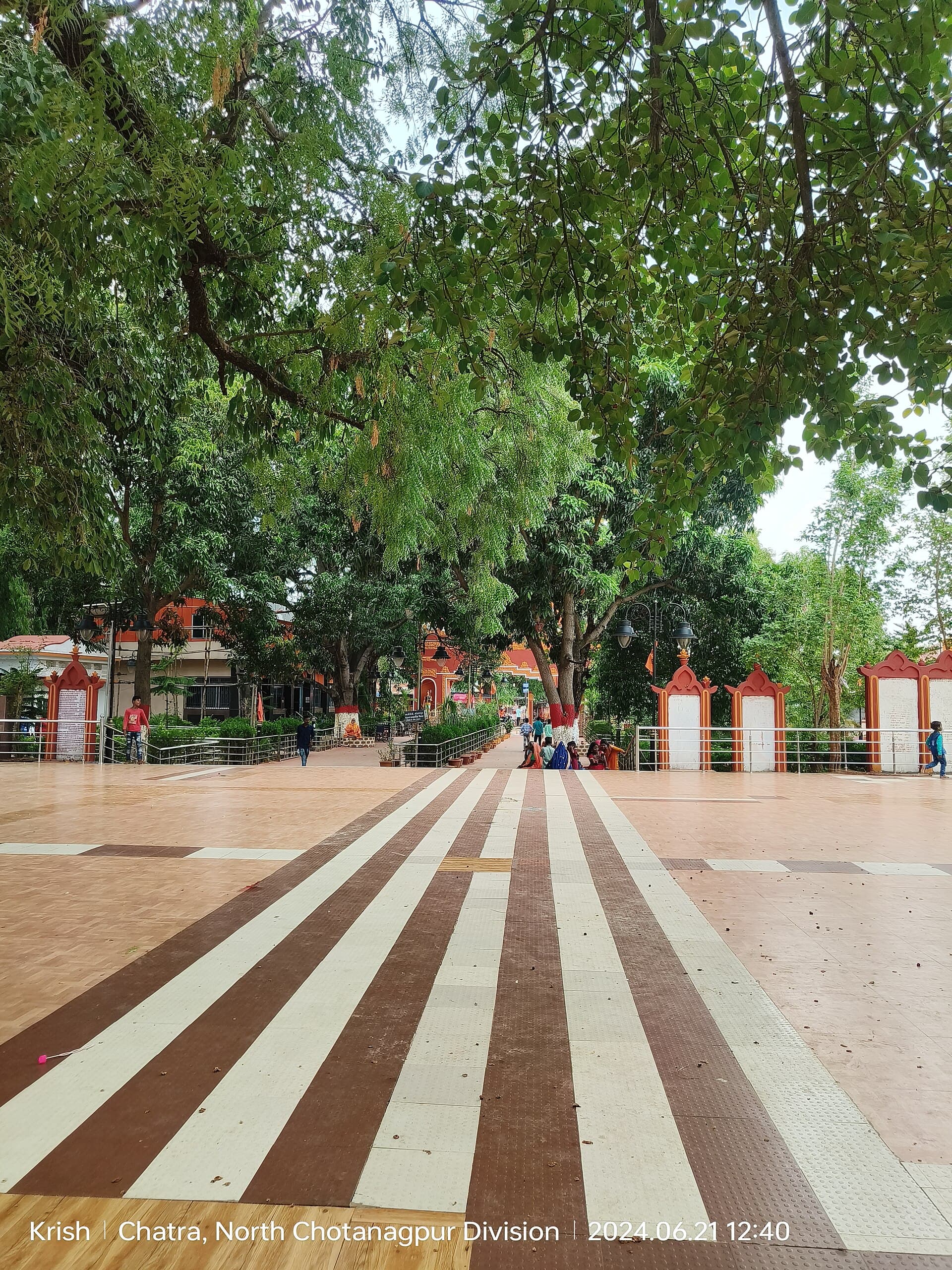
Maa Bhadrakali Temple
The spiritual heart of Itkhori — where fierce grace, ancient stone, and living devotion meet.
History
A shrine of protective power
Maa Bhadrakali is revered as a potent form of the Divine Mother — auspicious yet formidable, invoked for courage, justice, and safeguarding. The temple is known as a Sidh Peeth, said to have been empowered by Megha Muni, and stands where the Muhane and Baksha rivers meet.
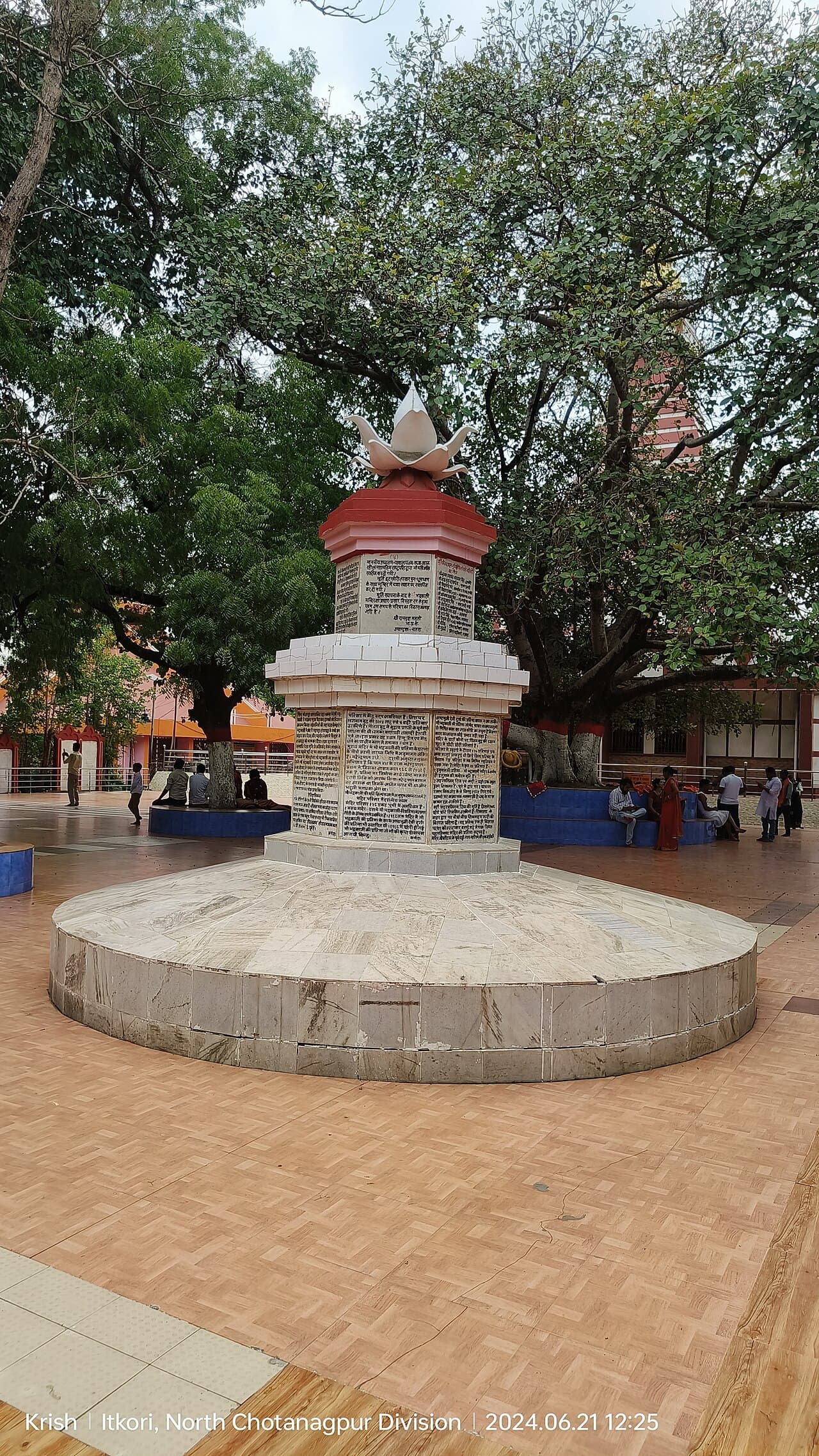
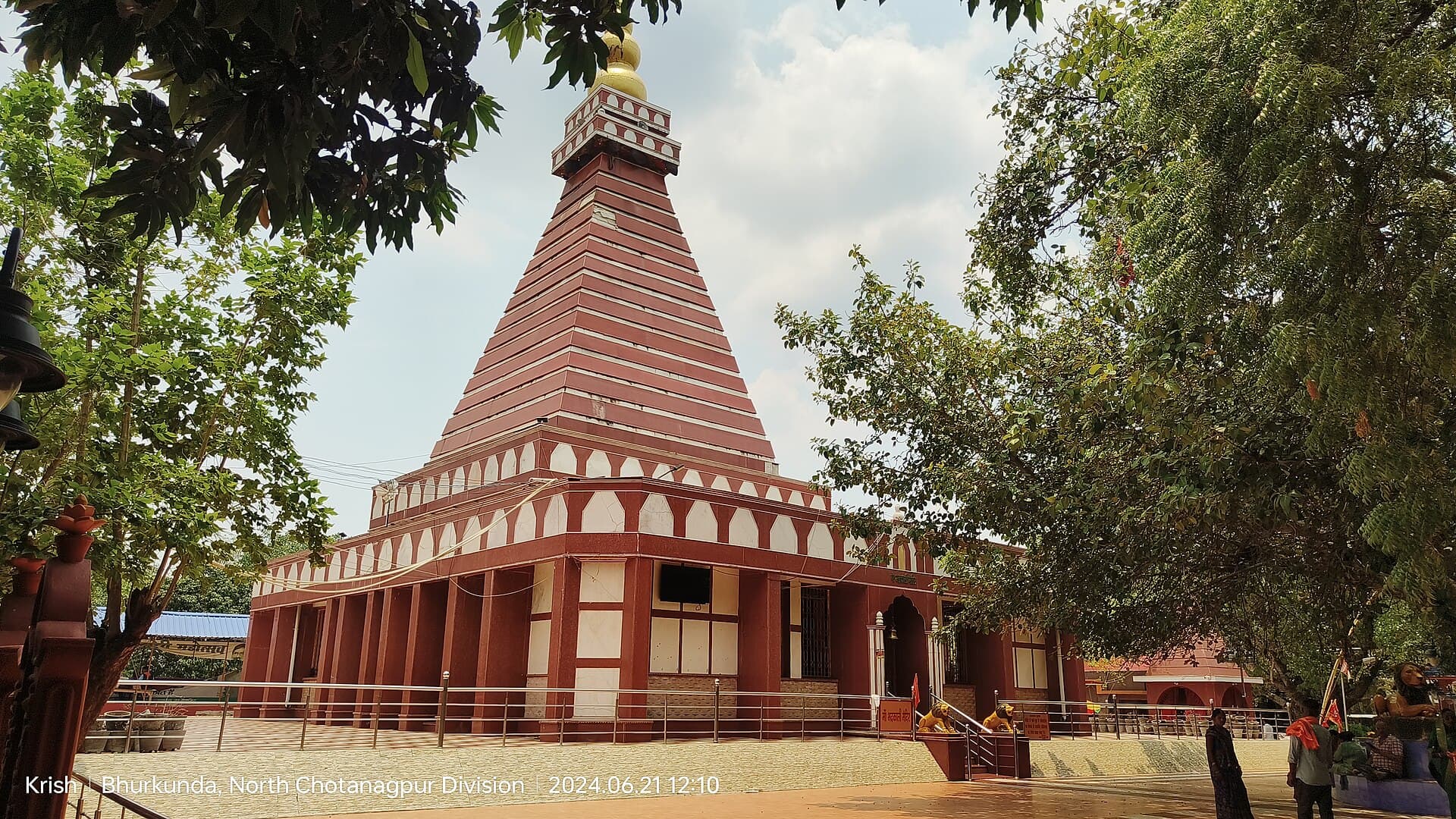
The sacred complex is far larger than a single shrine. Within the campus pilgrims visit Sahastra Shivling, Shani and Panchmukhi Hanuman mandirs, the Bodh (Manoti) Stup, Jain footprints of Bhagwan Sheetalnath, and an ASI museum — Hindu, Buddhist, and Jain histories woven into one landscape.
Architecture
Stone, courtyard, and continuum
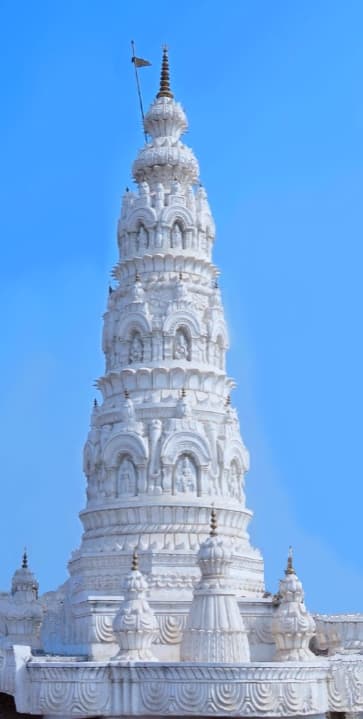
Expect a living temple fabric rather than a frozen monument: ritual courtyards, sculptural fragments, and pragmatic spaces shaped by centuries of use. Details reward slow looking — carved motifs, worn thresholds polished by bare feet, and evening light catching lamp smoke against plaster and stone.
Architecture here is inseparable from practice. The building exists to host darshan, aarti, vows, and festivals; beauty arrives as a by-product of devotion sustained over generations.
Campus shrines
Temples within Bhadrakali Mandir
One precinct, many faiths — shrines and monuments across the Bhadrakali campus at Itkhori.
Maa Bhadrakali
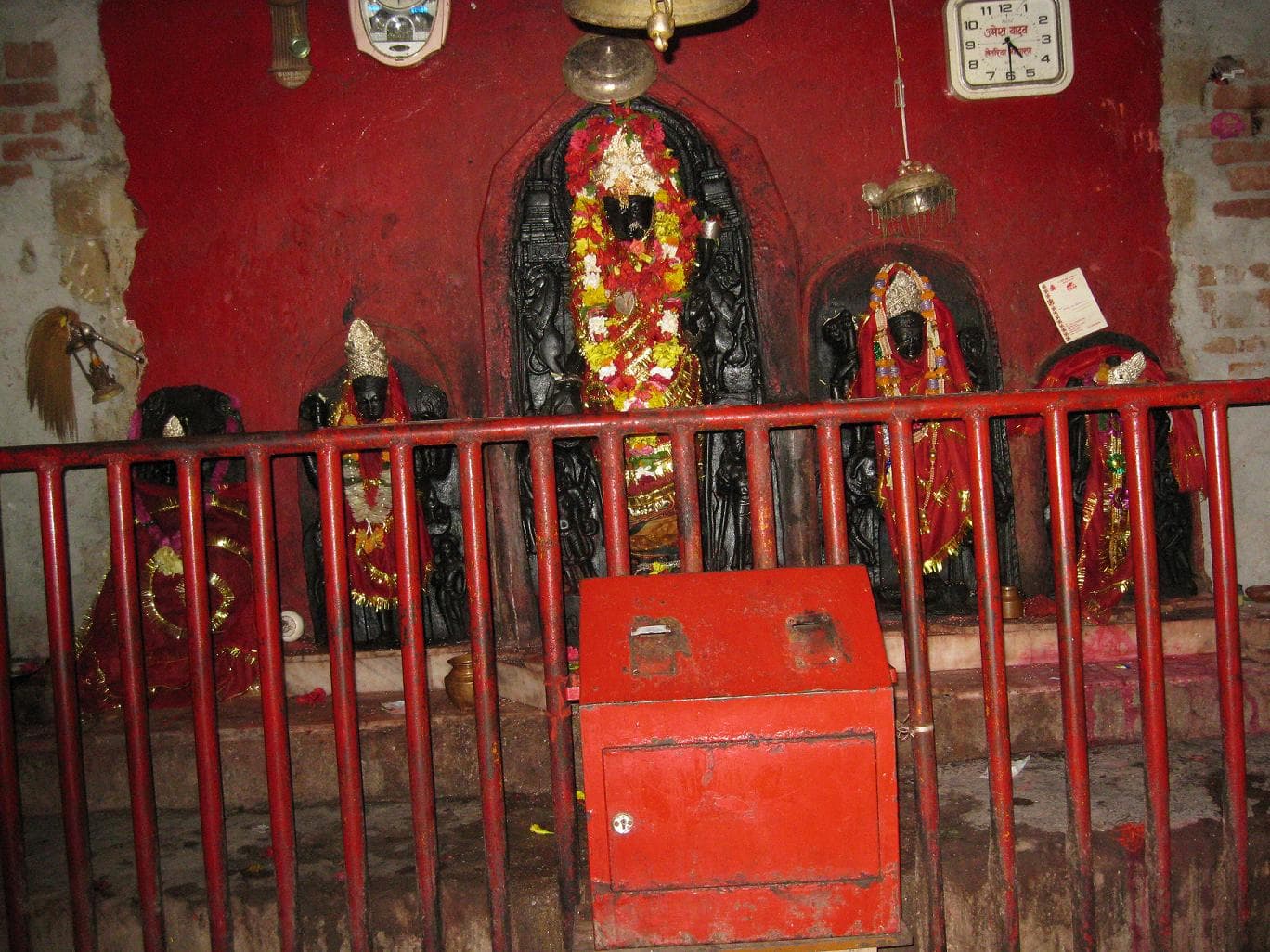
HinduThe main garbh griha holds a black-stone image of Maa Bhadrakali with yoginis, flanked by Ganesha and Vishnu figures — tradition links the carving to the 9th century and King Mahendra Pal II. The site is revered as a Sidh Peeth empowered by Megha Muni.
Sahastra Shivling
HinduA carved shivling roughly seven feet high, ringed with 1,008 smaller lingams and a trishul, with Nandi placed before the sanctum — one of the campus’s most striking Shaiva monuments.
Bodh Stup (Manoti Stup)
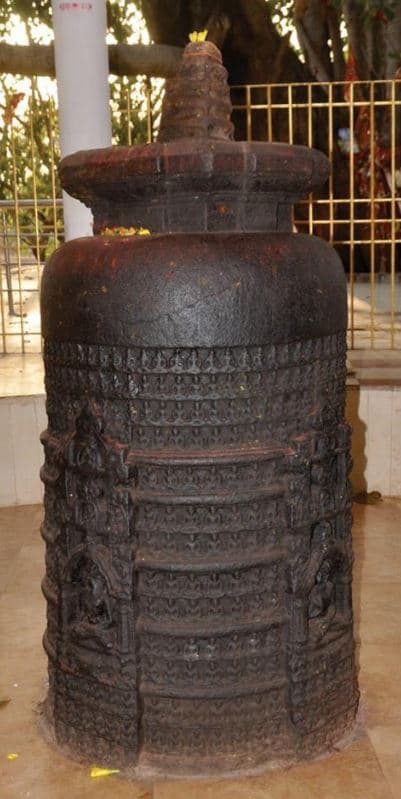
BuddhistA large stupa on the temple campus bearing 1,008 images of Gautama Buddha (1,004 small and four large). Believed to date from the 9th century, with water storage at the summit — a living link to Itkhori’s Buddhist past.
Shani Mandir
HinduA Shani shrine within the Bhadrakali campus, visited alongside the main temple circuit.
Panchmukhi Hanuman Mandir
HinduFive-faced Hanuman temple on the same sacred precinct, part of the wider devotional walk.
Maa Kanuniyan Temple
HinduA shrine on campus where sun, moon, trishul, and other symbols are carved on a large stone — a quieter stop on the pilgrimage route.
Bhagwan Sheetalnath footprint
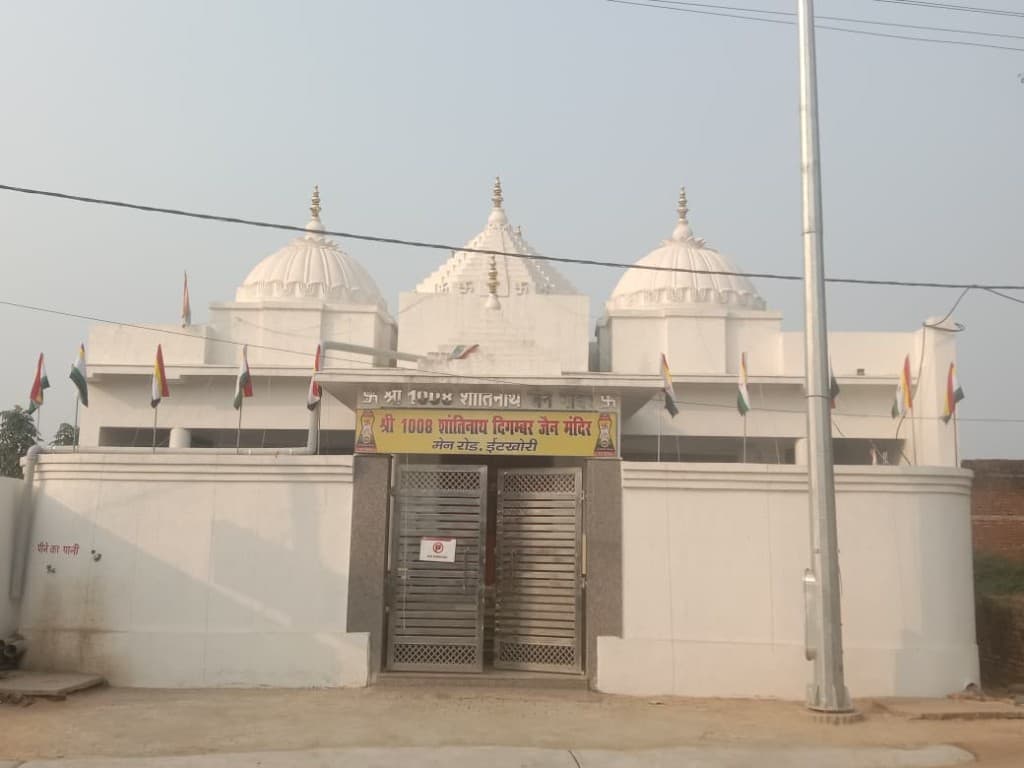
JainFootprints of the 10th Jain tirthankara, discovered locally in 1983 with a copper plate recording Itkhori as his birthplace. Preserved in the on-site museum; land is reserved for Jain temples and lodges.
Archaeological Museum
HeritageMuseum inside the temple complex housing 9th–10th century sculptures and artefacts collected by the Archaeological Survey of India.
Sacred calendar
Festivals & rituals
The temple year’s peaks and the daily rhythm that anchors the town.
Navratri & major festivals
Nine nights of Goddess worship fill courtyards with flowers, bhajans, and special alankar. Crowds peak on Ashtami and Navami; arrive early and move with patience. Durga Puja season in the wider region echoes the same maternal devotion.
Festival calendarDaily rituals
Morning and evening aarti structure the day. Offerings of flowers, incense, and prasad follow local custom. Modest dress, silence near the sanctum, and respect for queue order keep the experience graceful for everyone.
Gallery
Temple glimpses
Visitor information
- Timings: Approximately 5:00 AM – 8:00 PM; aarti schedules shift seasonally.
- Entry: Free; donations support temple upkeep.
- Best season: October–March; Navratri for festive darshan.
- Etiquette: Cover shoulders and knees; remove footwear where required; ask before photographing rituals.