Loading Itkhori…
Buddhist Heritage
Quiet stones and enduring legends — Itkhori’s place on the Buddhist map of eastern India.
Deep time
Ancient Buddhist history
Monastic life once threaded these uplands, connecting forest routes to Magadhan heartlands.
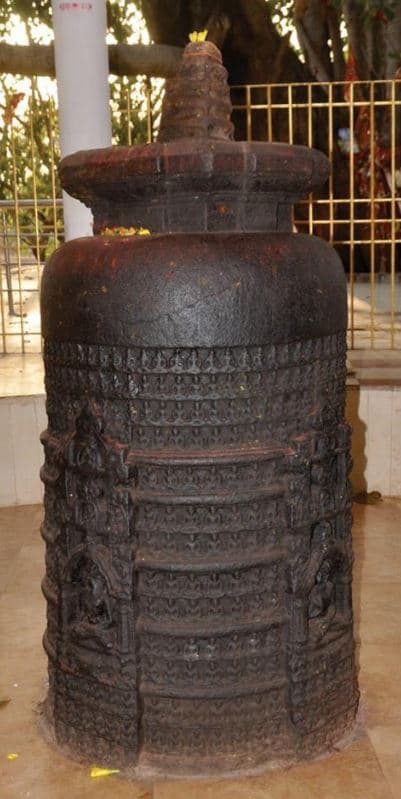
The Bodh Stup — Manoti Stup — on the Bhadrakali Mandir campus carries 1,008 images of Gautama Buddha and is believed to date from the 9th century. Local tradition holds that Mahatma Buddha prayed here and that the name Itkhori was given by Gautama Buddha’s aunt. Jain pilgrims honour Bhagwan Sheetalnath, whose footprints were found on site in 1983 — making the campus a rare meeting point of Hindu, Buddhist, and Jain devotion rather than isolated ruins in the countryside.
For travellers, the invitation is contemplative rather than monumental. Sit with incomplete walls. Let the museum captions restore names and mudras. Notice how Hindu pilgrimage today coexists with this quieter layer instead of overwriting it.
Meditation traditions
While organised sangha life has faded from these ruins, the landscape still lends itself to silence. Dawn walks among remains offer a natural setting for breath-centred practice — a respectful, personal continuation of the site’s contemplative vocation.
Archaeological discoveries
Surveys have documented architectural fragments and icons that illuminate workshop styles and iconographic programmes. Pieced together, they sketch patronage, ritual needs, and artistic exchange across eastern India.
Ancient statues
Buddha images, bodhisattvas, and associated deities appear in museum holdings and site contexts. Soft modelling and symbolic gestures reward close study — bring curiosity, not haste.
Context
On UNESCO significance
Clarity matters as much as celebration.
Itkhori’s Buddhist remains are regionally important for understanding Jharkhand’s multi-faith past. They are not currently inscribed as a standalone UNESCO World Heritage property. Their value does not depend on that designation: the adjacency of Buddhist archaeology with a major Shakti temple town is itself a rare and instructive cultural landscape.
Visitors help by treating ruins gently, supporting museum interpretation, and sharing accurate stories rather than inflated claims.
Visit Bodh Stup